The research behind NxEds
A decade of medical AI research, now your curriculum.
Every NxEds project grows out of real, published research led or co-authored by our program director, Dr. Rayan Harari, with clinicians, engineers and mentees. Here is the story, in six chapters.
Seeing disease earlier
It started with images. Dr. Harari's group builds models that read knee MRI together with the radiologist's report, predict which joints will develop osteoarthritis, and spot fluid in the retina before vision is lost. Each project asks the same question: can AI help clinicians see disease earlier, and can it explain what it saw?
- Predicting knee osteoarthritis progression using explainable machine learning and clinical imaging dataOsteoarthritis and Cartilage Open, 2026
- CMANet: Cross-modal attention network for 3-D knee MRI and report-guided osteoarthritis assessmentmedRxiv, 2025
- Predicting incident hand osteoarthritis from baseline radiography-derived features and clinical dataOsteoarthritis and Cartilage, 2026
- Early detection of cystoid macular edema in retinitis pigmentosa using longitudinal deep learning of OCT scansDiagnostics, 2025
- Detection of cystoid macular edema in patients with retinitis pigmentosa based on deep learningInternational Journal of Retina and Vitreous, 2025
- Machine learning applications for early detection of esophageal cancer: a systematic reviewBMC Medical Informatics and Decision Making, 2023
Projects built on this work
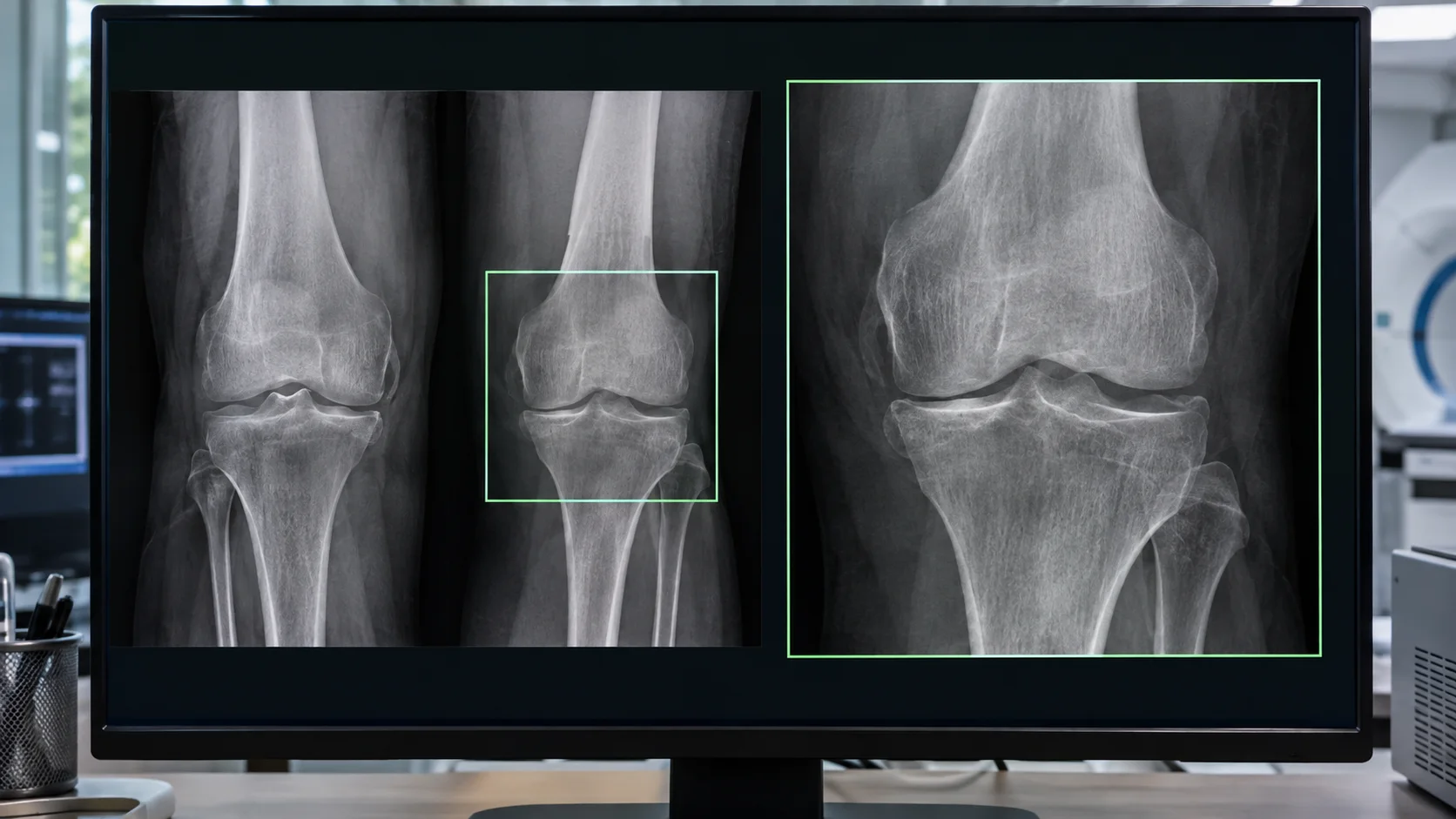
Predict Knee Osteoarthritis from X-rays
Train a deep-learning model to grade knee osteoarthritis on X-rays, then show clinicians why it made each call.
Learn more →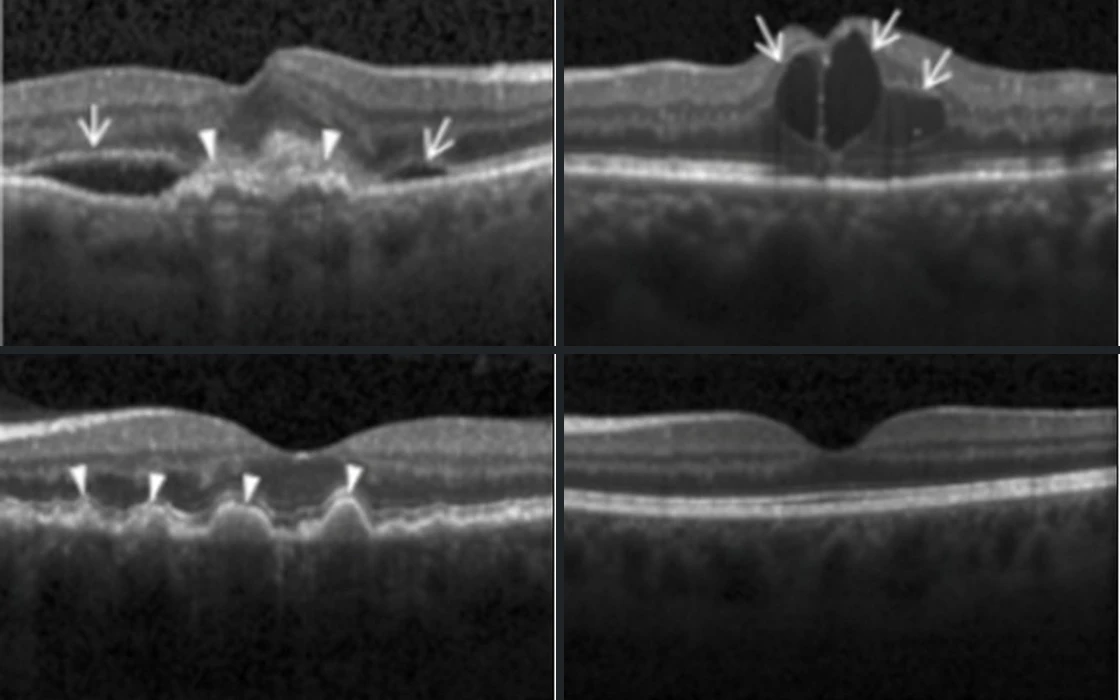
Find Eye Disease in Retinal OCT Scans
Teach a model to read retinal scans and spot conditions such as macular edema before they threaten vision.
Learn more →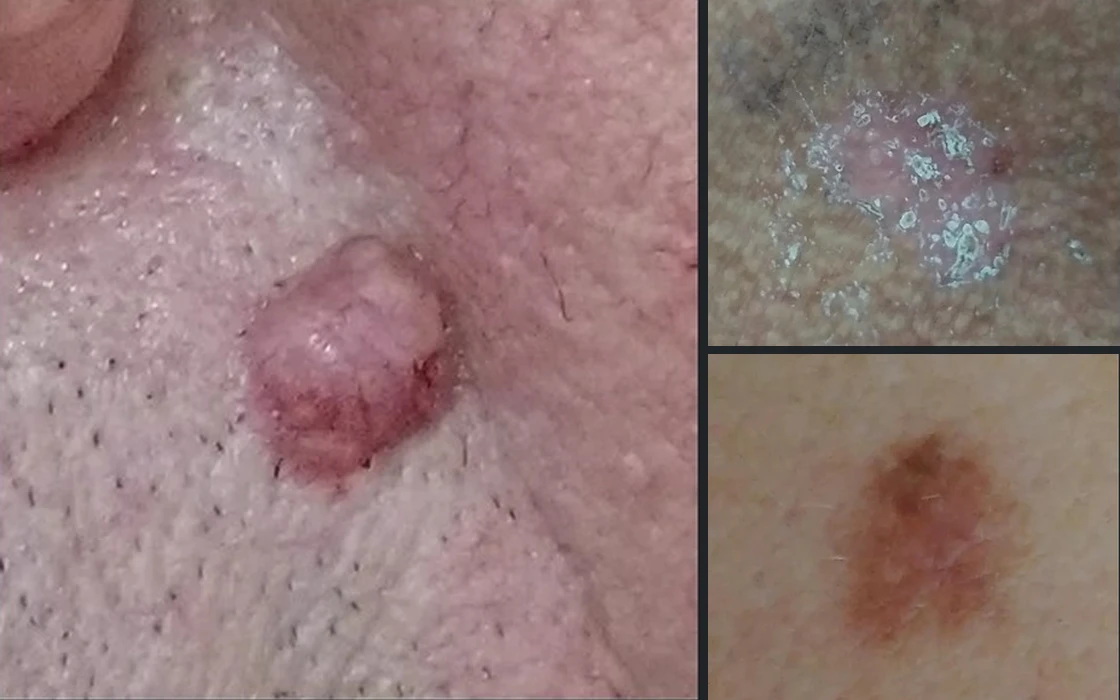
Detect Skin Cancer in Dermatology Images
Build a model that flags suspicious skin lesions for a dermatologist to review, and test whether it works fairly for everyone.
Learn more →Reading the body's signals
Bodies tell us when people are overloaded. Using wearable sensors, voice and motion, the group measures stress and workload in cardiac surgery teams and turns movement into objective measures of clinical skill, so that training and safety no longer depend on guesswork.
- A novel multimodal, intraoperative cognitive workload assessment of cardiac surgery team membersJournal of Thoracic and Cardiovascular Surgery, 2025
- Feasibility of wearable sensors to assess cognitive load during clinical performanceJournal of Surgical Research, 2024
- Using digital biomarkers for objective assessment of perfusionists' workload and acute stress during cardiac surgeryIWBBIO, 2023
- Voice acoustic patterns predict quality of interprofessional team behavior in cardiac surgeryHamlyn Symposium on Medical Robotics, 2025
- Using artificial intelligence for automated assessment of point-of-care ultrasound skills in emergency medicineAmerican Journal of Emergency Medicine, 2026
Projects built on this work
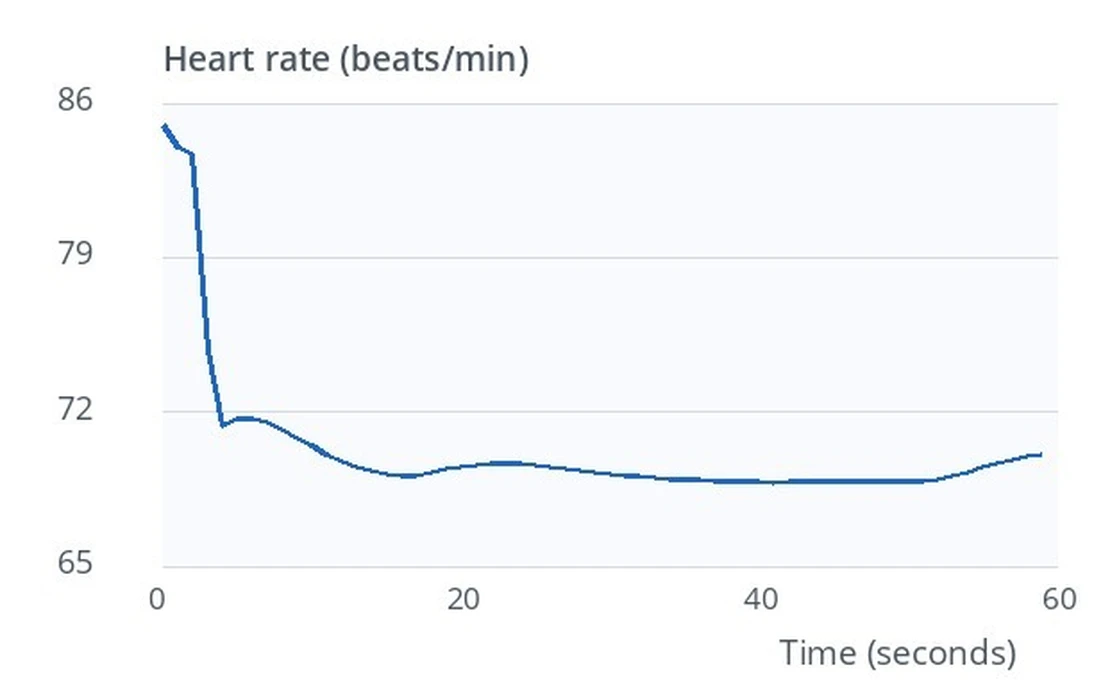
Detect Stress from Wearable Sensors
Turn heart-rate, skin-response and motion signals from wearables into a model that recognizes stress.
Learn more →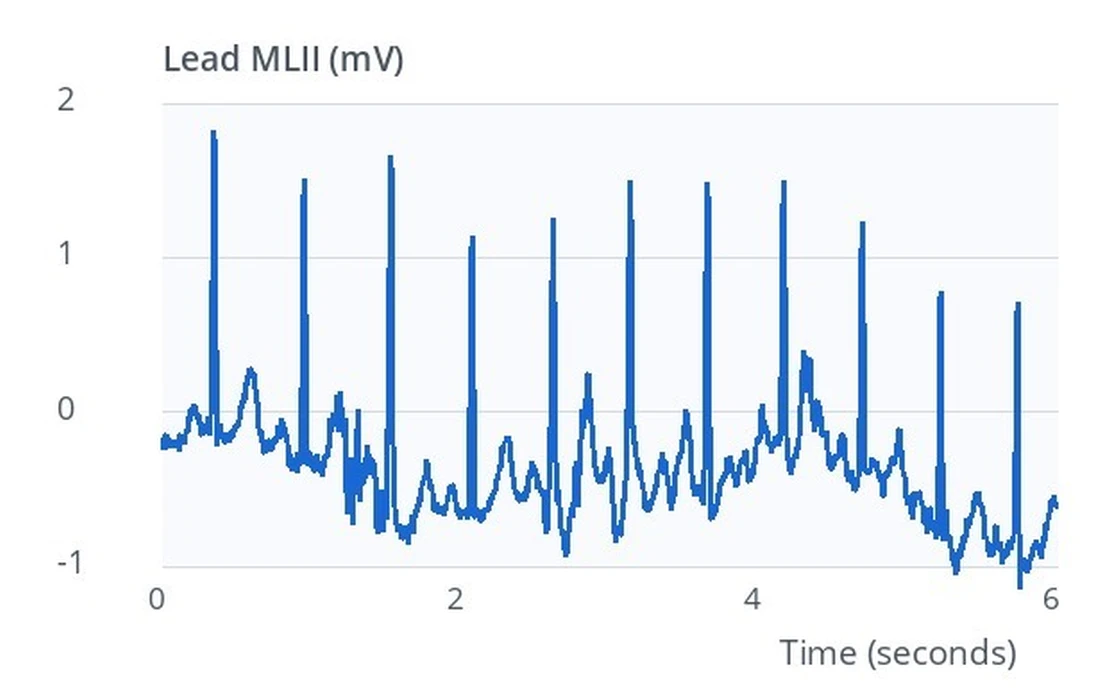
Detect Heart-Rhythm Problems in ECGs
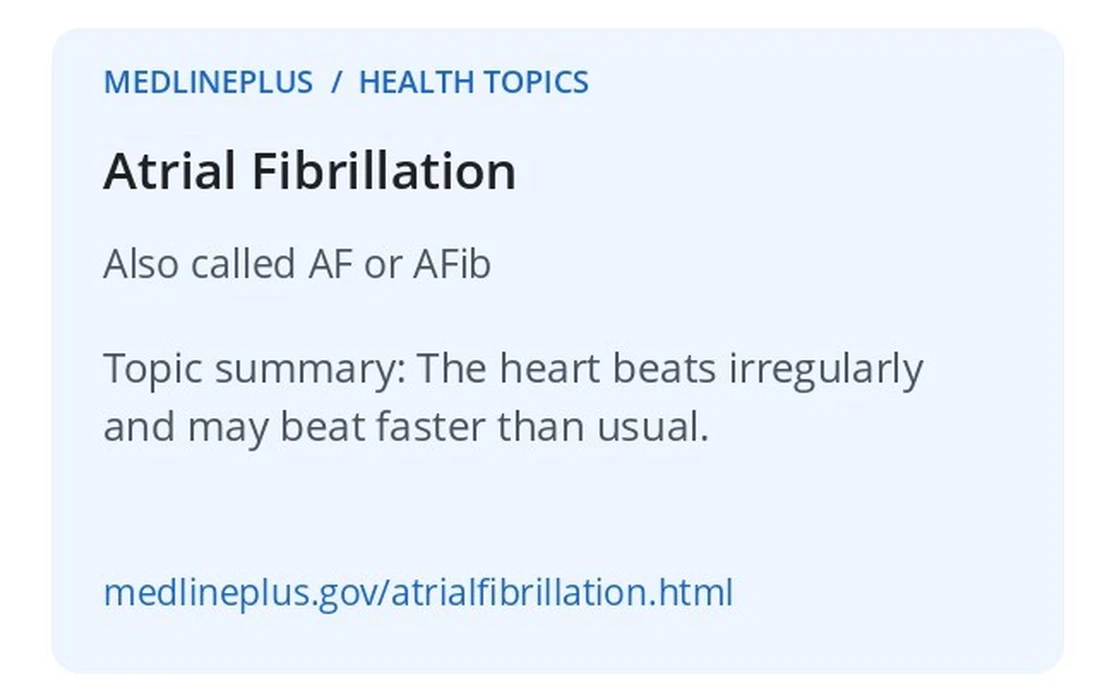
Process raw ECG recordings and build a detector for irregular heartbeats such as atrial fibrillation.
Learn more →AI in the operating room
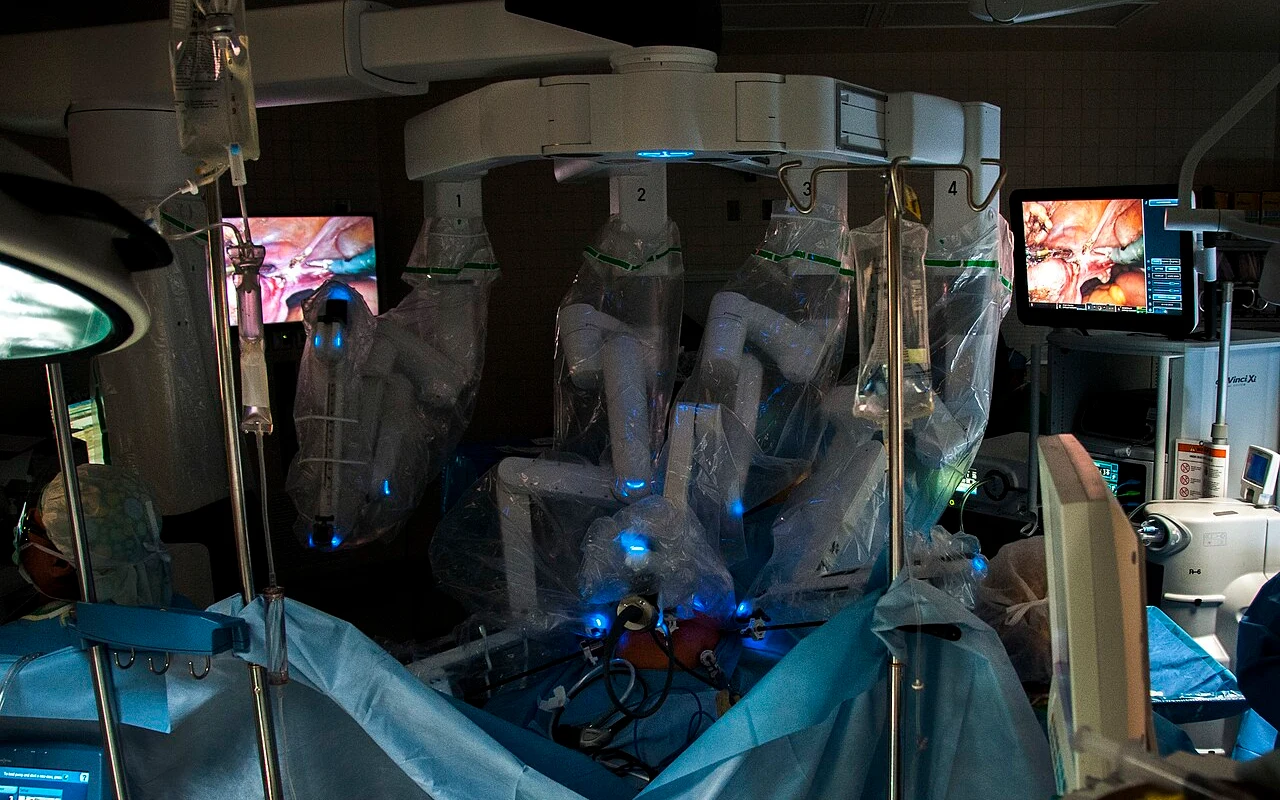
The operating room is where seconds and teamwork matter most. Deep learning on surgical video can assess the nontechnical skills that keep patients safe, and AI coaching and decision support can help cardiac surgery teams stay aligned under pressure.
- Deep learning analysis of surgical video recordings to assess nontechnical skillsJAMA Network Open, 2024
- A clinician-centered explainable AI framework for decision support in the operating theatreHamlyn Symposium on Medical Robotics, 2024
- AI-based decision support for perfusionists during cardiopulmonary bypassHamlyn Symposium on Medical Robotics, 2025
- Socratic: Enhancing human teamwork via AI-enabled coachingarXiv, 2025
- Artificial intelligence in cardiothoracic surgery: current applications and future perspectivesArtificial Intelligence in Clinical Practice, 2024
Projects built on this work
Clinicians and AI, working together
A model is only useful if clinicians can trust it. In randomized controlled trials, the group tests how generative AI and decision support change real clinical decisions, and builds retrieval-augmented systems that ground answers in evidence.
- A randomized controlled trial on evaluating clinician-supervised generative AI for decision supportInternational Journal of Medical Informatics, 2025
- Clinician-AI collaboration for decision support in telemedicine: a randomized controlled trialCognitive and Computational Aspects of Situation Management, 2024
- Ragnosis: Retrieval-augmented generation for enhanced medical decision makingmedRxiv, 2025
- Explainable AI and augmented reality in transesophageal echocardiography imagingIEEE AIxVR, 2024
- Demystifying artificial intelligence: key concepts with examples in rheumatologyRheumatic Disease Clinics, 2026
Projects built on this work
Guiding hands with extended reality
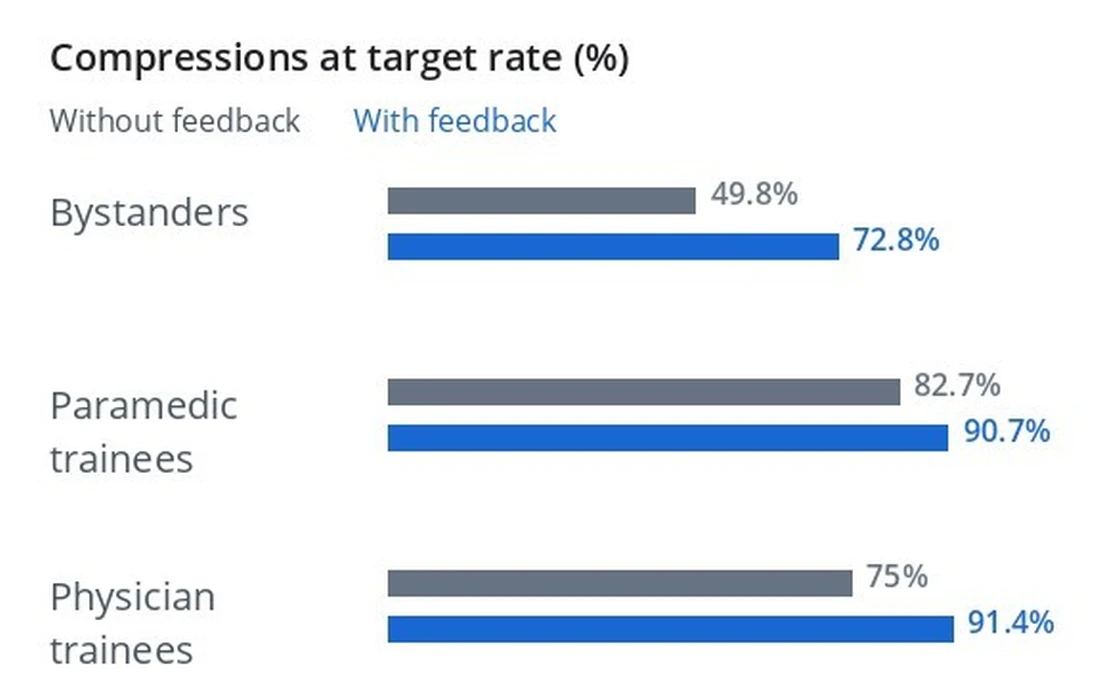
Knowing the right step is not enough in a crisis. Augmented reality can guide clinicians through emergency checklists in real time, and randomized studies show where it helps and where it does not.
- Augmented reality in enhancing operating room crisis checklist adherence: randomized comparative efficacy studyJMIR XR and Spatial Computing, 2025
- Applications of augmented reality for prehospital emergency care: systematic review of randomized controlled trialsJMIR XR and Spatial Computing, 2025
- Applications of augmented and virtual reality in enhancing communication for individuals who are hard of hearingAmerican Journal of Audiology, 2024
- Presence vs. anonymity tradeoff: avatar visual fidelity and physiological and psychological responsesComputers in Human Behavior, 2025
Projects built on this work
Medicine at the edge: space and extreme environments
On a mission to Mars, there is no specialist down the hall. The group studies how extended reality and AI can deliver medical training and real-time clinical guidance to crews who must care for each other alone.
- Using extended reality for medical training and real-time clinical support during deep space missionsApplied Ergonomics, 2023
- Extended reality applications for space healthAerospace Medicine and Human Performance, 2023
- AR-coach: augmented reality for real-time clinical guidance during medical emergencies on deep space missionsAHFE International, 2022
Projects built on this work
Selected publications. Full list on Dr. Harari's website. Mentees who co-authored this work will be highlighted here.
Do research like this, with the people who did it.
Pay online, choose 3 payments, or ask us anything first.